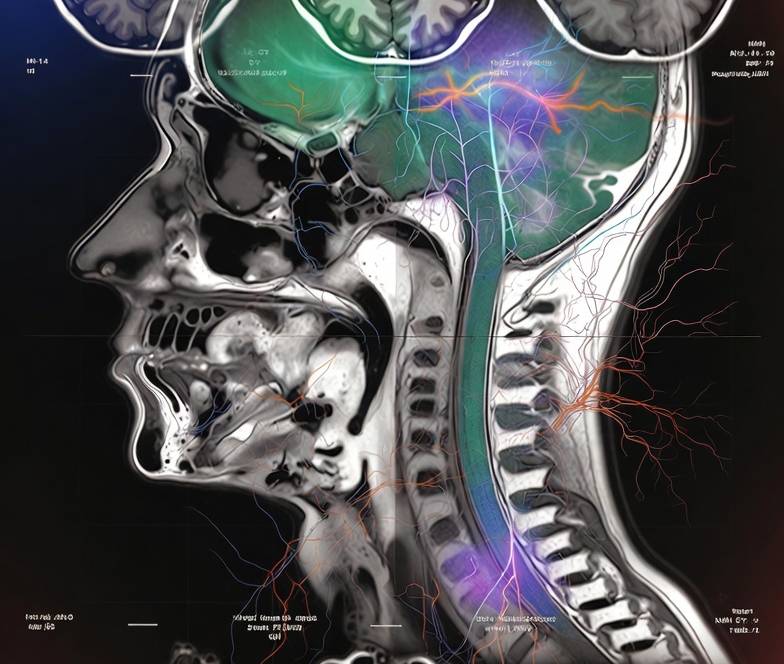
Discover why AI multi-product platforms are winning in radiology 2026. Explore intelligent imaging, cloud-native PACS, volumetric foundation models, digital twins, and theranostics transforming medical imaging.
Future of Radiology 2026: Why AI Multi-Product Platforms Are Winning
🔬 At a glance
- Platform shift: Radiology in 2026 has moved from isolated AI point solutions to unified multi-product platforms that orchestrate the entire care loop from pixel to report.
- Cloud-native PACS: Modern microservices-based systems enable distributed reading, continuous updates with zero downtime, and elastic scaling—outperforming legacy lifted-to-cloud architectures.
- Workflow orchestration: Intelligent case routing reduces turnaround times by 40–60% and improves radiologist productivity by 25–35%, while cutting administrative task time by 90%.
- AI frontiers: Volumetric foundation models, Vision Language Models (VLMs), Edge AI, and Digital Twins are redefining diagnostic capability and predictive medicine.
- Theranostics revolution: Lead-212 (²¹²Pb) paired with ²⁰³Pb SPECT imaging is enabling precision alpha-targeted therapy for prostate cancer, neuroendocrine tumors, and solid malignancies.
- Sustainability mandate: Green Radiology initiatives including 80% plastic reduction through multi-use systems and chlorine-free incineration-safe materials are now procurement criteria.
Introduction: The Platform Paradigm Shift in Radiology 2026
The transition toward Intelligent Imaging in 2026 is characterized by the widespread adoption of AI-based workflows that have become so deeply integrated into the clinical environment that they are increasingly difficult to differentiate from standard operational procedures. Professional searches are no longer focused on whether artificial intelligence should be used, but rather on how it can be orchestrated to optimize the entire care loop from pixel to report. This shift reflects a move from point solutions—isolated tools designed for a single task—to multi-product platforms that leverage deeper workflow integration to deliver comprehensive value.
For radiologists, radiographers, and hospital administrators, understanding why multi-product platforms are winning is essential for procurement decisions, workforce planning, and maintaining competitive diagnostic services. This article examines the technological, clinical, and strategic forces driving this platform consolidation—and what it means for the future of medical imaging.
🩻 Clinical Context
In 2026, the radiology AI market has surpassed 1,000 FDA-cleared tools. The winners are not those with the most algorithms, but those with the most integrated platforms that dissolve operational friction and embed intelligence seamlessly into daily workflows.
Lead the Intelligent Imaging Revolution
Equip your department with SATMED’s AI-ready contrast delivery infrastructure and cloud-native platform solutions designed for the multi-product platform era.
Explore SATMED Platform Solutions →Clinical and Technical Evolution: Infrastructure as Strategy
Cloud-native vs. cloud-hosted: Defining the modern PACS
In 2026, the distinction between cloud-hosted and cloud-native systems has become a primary driver of procurement decisions. A true cloud-native Picture Archiving and Communication System (PACS) is architected for distributed, elastic operation, allowing it to update continuously with zero downtime and scale automatically to meet the demands of expanding practices. Traditional legacy systems that were merely “lifted” into the cloud often require dedicated workstations or VPN connectivity, limiting the ability to scale and support flexible, distributed reading models.
Modern cloud-native platforms are built from the ground up to support distributed reading, enabling radiologists to work from anywhere via a secure browser with performance that meets or exceeds on-premises systems. These systems connect all patient data, ensuring that radiologists have seamless access to priors and clinical context regardless of where they are physically located.
| Feature | Legacy Cloud-Hosted PACS | Modern Cloud-Native PACS |
|---|---|---|
| Architecture | Lifted legacy infrastructure | Built for the cloud (microservices) |
| Updates | Periodic, often requiring downtime | Continuous, weekly, no downtime |
| Scalability | Manual, hardware-dependent | Automatic and elastic |
| Connectivity | Often requires VPN/Dedicated installs | Secure browser-based access |
| Workforce Support | Limited to specific locations | Distributed reading from any device |
Workflow orchestration: The antidote to fragmentation
Workflow orchestration has emerged as a vital solution to the acute radiologist shortage. By moving beyond simple worklists to intelligent case routing and automated task management, these platforms can reduce turnaround times by 40% to 60% while simultaneously improving productivity by 25% to 35%. Modern orchestration engines use real-time performance analytics and notifications to manage the entire lifecycle of a study, from acquisition to final invoicing.
Fragmentation is cited as a major driver of burnout, with radiologists frequently navigating multiple systems to interpret a single read. A 2026 study revealed that radiologists spend approximately 44% of their day on non-interpretive administrative and compliance tasks. Workflow orchestration addresses this by automating manual processes, improving radiologist efficiency, and ensuring that the right study reaches the right subspecialist at the right time.
| Metric | Impact of AI-Powered Workflow Orchestration |
|---|---|
| Turnaround Time (TAT) | 40% – 60% Reduction |
| Radiologist Productivity | 25% – 35% Increase |
| Administrative Task Time | 90% Reduction |
| SLA Compliance | Near 100% |
| Staff Burnout | Significant Mitigation via Reduced Fragmentation |
Pixel-to-reporting: Closing the diagnostic loop
One of the most significant technological shifts in 2026 is the implementation of pixel-to-reporting technology, which creates a direct bridge between the raw imaging data and the structured radiological report. This technology leverages AI to automatically generate study-aware reporting templates, surface relevant prior imaging, and suggest findings based on automated image analysis. By eliminating the need to type or dictate routine findings, radiologists can focus their cognitive efforts on complex interpretation and clinical decision-making.
AI care loops go beyond simple detection by integrating longitudinal clinical context with imaging data. These systems assist in identifying incidental findings—such as cardiovascular risk on a routine mammogram or future cardiac events on a chest CT—effectively moving imaging upstream in the diagnostic process to predict future risks rather than just diagnosing current conditions.
Future-Proof Your PACS Infrastructure
SATMED Health’s cloud-native platform solutions support distributed reading, AI integration, and seamless pixel-to-reporting workflows from any device.
Explore Cloud-Native PACS →Advanced Modalities: Redefining Resolution and Efficiency
Molecular imaging: Digital PET and extended field-of-view scanners
In 2026, molecular imaging has been revolutionized by Digital PET/CT and Long Axial Field-of-View (LAFOV) scanners. Conventional PET scanners are often limited by sensitivity and the need for bed positioning. New LAFOV and “nearly total-body” PET systems (with axial FOVs of 106 cm to 194 cm) provide dramatically increased sensitivity, allowing for shorter scan times and significantly lower radioactive doses.
The sensitivity of these systems is such that they can reveal micrometastases missed by standard systems, justifying the earlier deployment of molecular therapies. To mitigate the high cost of these densely packed detectors, researchers have proposed “sparse” configurations with strategically placed gaps, combined with deep learning to recover missing counts in the sinograms. Furthermore, “Walk-Through PET” (WT-PET) designs allow patients to stand upright between flat detector panels, potentially increasing patient throughput and comfort.
AI Frontiers: Foundation Models, VLMs, and Edge Intelligence
The computational architecture of radiology AI has evolved toward more generalizable and autonomous systems. This includes the emergence of volumetric foundation models and the migration of intelligence to the edge of the network.
Volumetric foundation models: The quest for generalizable AI
Foundation models are large-scale, pretrained models capable of generalizing across diverse tasks without explicit training annotations for every pathology. In 2026, volumetric foundation models for CT, MRI, and PET are gaining traction, leveraging self-supervised learning (SSL) to extract meaningful representations from unlabeled volumetric data. These models can be fine-tuned for specific tasks like segmentation or classification using parameter-efficient adaptation, which reduces computational costs by up to 90%.
One of the most promising aspects of these models is zero-shot and few-shot transfer learning, where the AI can be applied to unseen tasks with little or no labeled data—a critical advantage in medical imaging where labeled volumetric datasets are scarce.
Vision Language Models: Transforming reporting and analysis
Vision Language Models (VLMs) have become a major trend for draft report generation in 2026. These neural networks process images and text together, allowing them to classify images, draft findings, and predict disease based on natural language instructions. Multimodal fusion, which integrates longitudinal clinical history and notes with current imaging, is the key differentiator for winning solutions.
However, challenges remain. Research has shown that these models can underperform compared to traditional convolutional neural networks (CNNs) in certain specialized tasks, such as dense multi-label chest X-ray classification. Furthermore, demographic bias is a significant concern; state-of-the-art VLMs have been found to underdiagnose marginalized groups, such as Black female patients, at higher rates than board-certified radiologists.
⚠️ Bias Alert: Non-Negotiable Governance
Continuous bias detection and performance auditing are non-negotiable components of responsible AI deployment. Departments must implement governance frameworks that monitor demographic performance equity across all AI tools.
Edge AI: Intelligence at the scanner level
A fundamental transformation is occurring in how AI is deployed, moving from centralized cloud systems to Edge AI resident within the scanners themselves. In 2026, organizations are shifting toward Small Language Models (SLMs) and “Micro-LLMs” that are optimized for efficient, localized tasks with reduced power requirements. Edge AI allows for real-time computer vision processing for quality control, safety monitoring, and patient positioning directly at the point of care.
Digital Twins: Virtual replicas and predictive cardiology
Digital Twins (DTs) have emerged as proactive cognitive systems that create virtual replicas of patients, organs, or biological systems. These twins incorporate multidimensional patient-specific data—including imaging (MRI, CT), ECG, hemodynamic profiles, and electronic health records—to simulate therapeutic scenarios and forecast disease trajectories.
| Application Domain | Clinical Utility of Digital Twins in 2026 |
|---|---|
| Cardiology | Ablation planning for arrhythmia, risk prediction for heart failure |
| Neuro-oncology | Modeling tumor behavior and optimizing therapies |
| Skull-Base Surgery | Real-time high-precision tracking and awareness |
| Oncology Trials | In silico trials tailored to individual biologic features |
Cardiovascular digital twins, in particular, are being used for personalized therapy planning and surgical simulation. Despite their potential, implementation is currently constrained by computational costs and model assumptions that may limit generalizability. The next generation of “multi-scale digital twins” aims to integrate molecular and clinical data to model health trajectories even more accurately.
Harness AI, VLMs, and Digital Twins
SATMED Health partners with imaging centers deploying next-generation AI infrastructure—from edge computing to cloud-native orchestration platforms.
Explore AI Infrastructure →Subspecialty Deep Dives: Theranostics and Interventional Innovations
Radiology in 2026 is increasingly multidisciplinary, with subspecialties like interventional radiology (IR) and nuclear medicine taking on expanded roles in primary treatment.
Targeted alpha therapy and the rise of Lead-212
Theranostics—the pairing of diagnostic imaging with targeted internal irradiation—has shed its reputation as a “last-ditch” option. This “upstream migration” is accelerated by the development of medium axial-field-of-view PET/CT scanners, which provide the sensitivity needed to detect micrometastases that standard systems miss.
A significant advancement in 2026 is the emergence of Lead-212 (²¹²Pb) for targeted alpha therapy. Paired with ²⁰³Pb SPECT imaging, this provides an ideal theranostic matched pair for patient selection and dosimetry. Lead-212’s 10.6-hour half-life offers favorable dosimetric properties, and its generator-based production allows for decentralized, on-demand availability.
| Target Molecule | Clinical Indication | Radionuclide Pairing |
|---|---|---|
| PSMA | Prostate Cancer (mCRPC) | ²⁰³Pb (Diag) / ²¹²Pb (Ther) |
| SSTR | Neuroendocrine Tumors (NETs) | ²⁰³Pb (Diag) / ²¹²Pb (Ther) |
| FAP | Various Solid Tumors | ²⁰³Pb (Diag) / ²¹²Pb (Ther) |
| HER2 | Breast / Gastric Cancers | ²⁰³Pb (Diag) / ²¹²Pb (Ther) |
Neuromodulation and robotics in interventional radiology
Interventional radiology is undergoing a transition toward office-based labs (OBLs) to protect revenue streams as hospital-based reimbursements decline. Technology in this space now includes real-time 3D tracking of instruments using ultrasound-embedded photoacoustic beacons, enhancing the precision of biopsies and minimally invasive therapies.
Ultrasound itself is being used for non-invasive neuromodulation—targeting precise brain regions to treat conditions like Parkinson’s, depression, and stroke recovery. Autonomous robotic systems are also emerging as a solution to workforce shortages, capable of acquiring standardized diagnostic views with minimal on-site expertise, serving as a force multiplier in rural settings.
Advance Your Theranostics Program
SATMED Health delivers precision contrast media and radiopharmaceutical delivery systems optimized for next-generation theranostics and molecular imaging workflows.
Explore Theranostics Solutions →The Sustainability Mandate: Eco-Conscious Radiology
At the core of modern radiology is a commitment to environmental sustainability in healthcare. SATMED Health is a global advocate for “Green Radiology,” integrating ISO 14001 environmental management systems across all manufacturing operations.
Material optimization: Thinner-walled, high-performance polymers reduce overall plastic volume without compromising safety. 80% plastic reduction is achieved through multi-use syringe and line set systems, significantly lowering the carbon footprint of hospital departments. Pollution control through chlorine-free plastics ensures that medical waste incineration does not release harmful dioxins, protecting both people and the planet.
This sustainability mandate is no longer peripheral—it is becoming a primary procurement criterion for health systems committed to responsible imaging. Departments evaluating vendors in 2026 increasingly require documented environmental impact assessments as part of their RFP processes.
🔑 Key Takeaway
The convergence of quality, value, and innovation defines the winning radiology platform of 2026. By combining world-class manufacturing with a multidisciplinary design ethos, SATMED Health continues engineering a more responsible, efficient, and safer future for global healthcare.
Join the Green Radiology Movement
Reduce your department’s environmental footprint by up to 80% with SATMED’s multi-use, chlorine-free contrast delivery systems—engineered for safety and sustainability.
Explore Sustainable Solutions →Further Reading
- Radiology Workflow in 2026: AI Orchestration, Intelligent Imaging & Patient-Centric Care
Deep dive into how AI orchestration platforms are reshaping radiology departments with intelligent triage, automated reporting, and patient-centered care pathways.
- Radiology Workflow Optimization 2026: Solving Staff Shortages with AI & Agentic Systems
Comprehensive analysis of AI-driven workflow solutions addressing the global radiologist shortage, burnout mitigation, and productivity enhancement strategies.
- Scaling Radiology AI 2026: Moving from Pilot Projects to Core Infrastructure
Strategic guide for health systems transitioning from fragmented AI pilots to unified, enterprise-grade AI infrastructure embedded in daily radiology workflows.
- Global Paradigm Shift in Medical Device Engineering
An in-depth exploration of vertical integration, GMP manufacturing, and quality assurance frameworks that underpin the SATFLOW ecosystem and eco-conscious production.
- 5 Trends Redefining RVU Productivity for the Next Generation
Analysis of 2026 Medicare reimbursement changes, RVU efficiency adjustments, and how AI workflow optimization impacts radiologist compensation models.
Conclusion: Sustaining the Future of Medical Imaging
The state of radiology in 2026 is defined by the necessity of “doing more with less.” While technology has provided significant productivity multipliers through AI and automated workflows, the underlying workforce shortage remains acute. The most successful facilities have adopted unified, cloud-native platforms that dissolve operational friction and prioritize both patient experience and clinician well-being.
The paradigm shift toward Intelligent Imaging, specialized subspecialty care like theranostics, and value-based sustainability represents a fundamental rethinking of medical imaging’s role in the care pathway. Radiology is no longer just a supportive diagnostic tool; it is a central engine of precision medicine, utilizing digital twins and alpha-emitting radionuclides to tailor treatment at an individual level.
As the specialty moves forward, maintaining high standards of clinical authority and E-E-A-T (Experience, Expertise, Authoritativeness, Trustworthiness) will be essential to ensuring that the next generation of technological advancements translates into equitable and effective patient care. The winning platforms of 2026—and beyond—will be those that integrate seamlessly, operate invisibly, and empower radiologists to practice at the top of their license.
References
- Siemens Healthineers. (2026). Workforce challenges in radiology. https://www.siemens-healthineers.com/en-us/radiologys-workforce-crisis
- Aidoc. (2026). The future of radiology with AI. https://www.aidoc.com/learn/blog/future-of-radiology-with-ai
- Nature. (2025). AI solutions to the radiology workforce shortage. https://www.nature.com/articles/s44401-025-00023-6
- The Imaging Wire. (2026). Top 2026 radiology trends. https://theimagingwire.com/2026/01/07/the-top-trends-shaping-radiology-in-2026
- Rad365. (2026). Optimizing radiology workflow: A comprehensive guide. https://www.rad365.com/blogs/optimizing-radiology-workflow-a-comprehensive-guide
- Beekley. (2026). Top trends to watch in medical imaging for 2026. https://blog.beekley.com/top-trends-to-watch-in-medical-imaging-for-2026
- BCG. (2026). How AI agents and tech will transform health care in 2026. https://www.bcg.com/publications/2026/how-ai-agents-will-transform-health-care
- RadAI. (2025). 5 RSNA trends set to redefine radiology in 2026. https://www.radai.com/blogs/5-rsna-trends-set-to-redefine-radiology-in-2026
- RSNA. (2025). Radiology reimagined: AI, innovation and interoperability. https://www.rsna.org/artificial-intelligence/radiology-reimagined-ai
- Intuition Labs. (2025). AI in radiology: 2025 trends. https://intuitionlabs.ai/articles/ai-radiology-trends-2025
- Knowledge Sourcing. (2026). US AI in radiology workflow optimization market. https://www.knowledge-sourcing.com/report/us-ai-in-radiology-workflow-optimization-market
- Forbes. (2026). The radiologist effect: Why AI creates more jobs, not fewer. https://www.forbes.com/sites/jonmarkman/2026/01/26/the-radiologist-effect-why-ai-creates-more-jobs-not-fewer
- Radiology Today. (2026). 5 things to watch in 2026. https://www.radiologytoday.net/archive/rt_JF26p22.shtml
- ScienceDirect. (2025). Artificial intelligence in radiology: A comparative analysis. https://www.sciencedirect.com/science/article/pii/S3050577125000544
- Unite Healthcare. (2026). Medical imaging in 2026. https://unitehealthcare.com.au/medical-imaging-2026-workforce-technology-diagnostics
- American College of Radiology. (2024). ACR manual on contrast media (2024 ed.). https://www.acr.org/-/media/ACR/Files/Clinical-Resources/Contrast_Media.pdf
- European Society of Urogenital Radiology. (2018). ESUR guidelines on contrast agents (Version 10.0). https://www.esur.org/esur-guidelines-on-contrast-agents
- International Commission on Radiological Protection. (2020). ICRP publication 147: Use of dosimetric quantities for regulatory purposes. https://www.icrp.org/publication.asp?id=ICRP%20Publication%20147
- U.S. Food and Drug Administration. (2023). 510(k) Substantial Equivalence. Center for Devices and Radiological Health. https://www.fda.gov/medical-devices/premarket-submissions/510k-substantial-equivalence
- U.S. Food and Drug Administration. (2023). CDRH Consensus Standards Program. Center for Devices and Radiological Health. https://www.fda.gov/medical-devices/medical-device-standards/cdrh-consensus-standards-program
- European Society of Radiology. (2025). ESR iGuide: Clinical decision support for imaging. https://www.myesr.org/esriguide
- World Health Organization. (2023). Medical devices: WHO priority medical devices list. https://www.who.int/medical_devices/priority/en/
- SATMED Health. (2026, April 30). Radiology workflow in 2026: AI orchestration, intelligent imaging & patient-centric care. https://www.satmed-health.com/radiology-workflow-2026-ai-intelligent-imaging/
- SATMED Health. (2026, April 30). Scaling radiology AI 2026: Moving from pilot projects to core infrastructure. https://www.satmed-health.com/ai-transitioning-from-pilots-to-everyday-infrastructure-in-radiology-2026/
- SATMED Health. (2026, April 30). 5 trends redefining RVU productivity for the next generation. https://www.satmed-health.com/radiology-efficiency-rvu-trends-2026/
Medically Reviewed by Prof. Dr. Damien O’Neil, MD, PhD
Last updated: July 24, 2026 | Reviewed for clinical accuracy and adherence to the latest guidelines of the American College of Radiology (ACR), Radiological Society of North America (RSNA), European Society of Radiology (ESR), European Society of Urogenital Radiology (ESUR), U.S. Food and Drug Administration (FDA), and the International Commission on Radiological Protection (ICRP).
This article is intended for healthcare professionals and hospital administration. It does not constitute individual clinical advice. Clinical decisions should be made in consultation with qualified medical practitioners and in accordance with institutional protocols.