Imaging for Seniors: Safety, Speed, and Sensibility
Older bodies scan differently: drier kidneys, thinner skin, more implants, longer medication lists. The best imaging accounts for all of it.
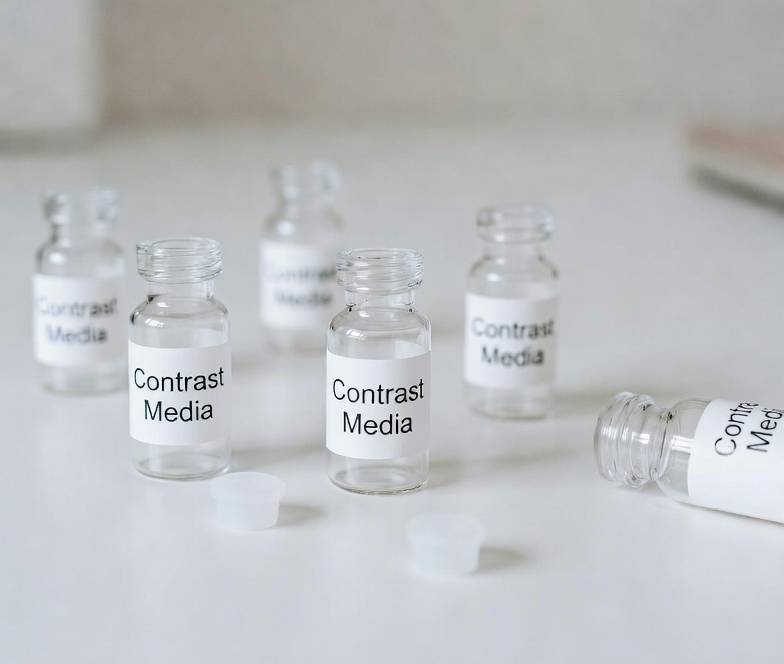
Imaging for seniors is safe and routine — with adjustments: kidney function checks before contrast (older kidneys clear dye more slowly), fall precautions on scan tables, extra time for stiff joints, and careful review of implant records and medication lists. The most senior-specific scan of all may be DXA — the bone-density test that prevents fractures before they happen.
Kidneys first — the contrast conversation
Kidney function naturally declines with age, and iodinated or gadolinium contrast both clear through the kidneys. Teams therefore check a recent creatinine blood test more often for older patients, hydrate before and after, and sometimes choose no-contrast protocols. The check is routine, not a red flag — it is the system adjusting to your physiology.
Comfort engineering for older bodies
Longer transfers onto narrow tables, arthritic hips that resist the MRI's flat position, thin skin that bruises against straps, and cold waiting rooms — the fixes are small and worth asking for: blankets warmed, tables lowered, extra pillows, slower positioning, and honest scheduling (first-morning slots when energy is highest). Every one of these is a standard request, not a bother.
The medication list is imaging-relevant
Metformin pauses around CT contrast; blood thinners shape biopsy and procedure planning; sedatives interact with the anxiety some feel in scanners; diuretics complicate the full-bladder instructions for pelvic ultrasounds. Bring the full list — including over-the-counter and supplements — to every imaging appointment, in writing.
The scans seniors should actually seek
Bone density (DXA) at 65 for women, 70 for men; aortic aneurysm ultrasound for ever-smokers 65–75; fall evaluations after any tumble; and cancer screenings per guidelines, which have honest upper-age conversations. The goal is not more scans — it is the right scans, timed to the decades where they change outcomes.
Scheduling scans for an older family member?
Ask our team what accommodations to request in advance.
Contact SATMED HealthFrequently asked questions about senior Imaging
Is contrast safe for older kidneys?
Usually yes — with a kidney check first, hydration, and the lowest effective dose.
Can I get help onto the scan table?
Always — technologists assist every transfer; lifts exist for those who need them.
What if I cannot lie flat for an MRI?
Say so at booking: positioning aids, shorter sequences, open scanners, or occasionally a different test are the answers.
Do seniors need someone with them?
For sedated exams, yes (a driver). Otherwise it is comfort, not requirement.
Which scan prevents the most harm?
DXA — one in three women and one in five men over 50 will break a bone from fragility; density testing finds them first.
Should screening stop at some age?
Each screening has its own honest ceiling conversation with your doctor — individualized, not automatic.
How SATMED Health makes contrast imaging safer
If your exam includes contrast, the delivery equipment matters as much as the scanner. SATMED Health engineers the systems behind every injection.
Contrast injector systems built for controlled, consistent delivery — the right dose at the right moment, every time.
Learn more →Engineered syringes for smooth, low-pressure injections that reduce discomfort and protect the vessel at the IV site.
Learn more →Patient lines and accessories designed for safe, reliable contrast administration from injector to vein.
Learn more →Contrast management solutions that help departments prepare, verify, and track every dose before it reaches a patient.
Learn more →Keep reading
More free, clinician-reviewed guides from SATMED Health.
Sources
- RadiologyInfo.org (ACR · RSNA · ASRT). MRI Safety.
- American College of Radiology. ACR Accredited Facilities Database.
- RadiologyInfo.org (ACR · RSNA · ASRT). Bone Density Scan (DEXA or DXA).
Keep learning, keep asking
Browse more free imaging guides or reach out with any question.
Contact SATMED HealthMedical disclaimer: This article is for education only and is not medical advice, diagnosis, or treatment. Always follow the instructions of your imaging facility and your own physician. If you think you are having an emergency, call 911 (or your local emergency number) immediately.
Please note: SATMED Health is not a medical facility. Please contact your physician with specific medical questions or for a referral to a radiologist. To locate an accredited medical imaging provider in your community, search the ACR accredited facilities database. This website does not provide cost information; imaging costs vary by region.